A Solo Traveler’s Guide to Exploring Iceland
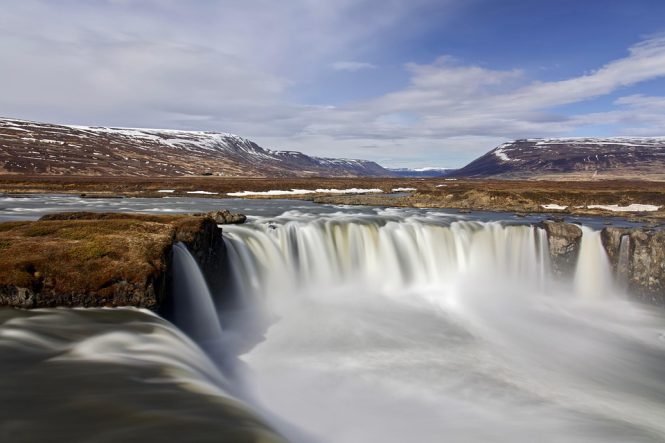
Iceland, a country of breathtaking landscapes, hot springs, and the Northern Lights, is a dream destination for many travelers. As a solo traveler, exploring Iceland can be a thrilling adventure, offering a unique blend of freedom, flexibility, and unparalleled natural beauty. In this article, we’ll provide you with a comprehensive guide to help you navigate the country, stay safe, and make the most of your solo journey.
When to Visit
Iceland is a year-round destination, but the best time to visit depends on your preferences. Summer (June to August) is the peak tourist season, with mild temperatures and long days. However, if you’re looking for a more budget-friendly option and don’t mind the cold, consider visiting during the shoulder season (April to May or September to October). If you’re interested in seeing the Northern Lights, winter (November to March) is the best time, but be prepared for shorter days and colder temperatures.
Getting Around
Iceland has a well-developed public transportation system, making it easy to get around without a car. The bus network, Strætó, connects major towns and cities, while the Flybus shuttle service links Keflavík International Airport to Reykjavík. If you prefer to drive, renting a car is a great option, but be aware that driving in Iceland can be challenging, especially during winter months. Many tour operators also offer guided tours, which can be a great way to meet fellow travelers and explore the country’s hidden gems.
Must-Visit Destinations
Iceland is home to countless natural wonders, and as a solo traveler, you’ll want to prioritize the most breathtaking attractions. Here are some must-visit destinations to add to your itinerary:
- The Golden Circle: A popular day trip from Reykjavík, the Golden Circle includes Þingvellir National Park, Geysir geothermal area, and Gullfoss waterfall.
- Vatnajökull National Park: Europe’s largest national park, covering over 14% of Iceland’s landmass, offers stunning glaciers, black sand beaches, and hiking trails.
- Jökulsárlón Glacier Lagoon: A picturesque glacial lake filled with floating icebergs, perfect for boat tours or simply taking in the views.
- The Blue Lagoon: A geothermal spa located in a lava field, famous for its milky blue waters and healing properties.
- Snæfellsnes Peninsula: A scenic region known for its picturesque towns, black sand beaches, and the majestic Snæfellsjökull glacier.
Safety Tips
As a solo traveler in Iceland, it’s essential to take necessary precautions to ensure your safety:
- Check the weather forecast: Iceland’s weather can be unpredictable, so always check the forecast before heading out.
- Be prepared for changing road conditions: If driving, be aware of steep roads, gravel paths, and potential river crossings.
- Stay informed about natural hazards: Familiarize yourself with Iceland’s natural hazards, such as earthquakes, volcanic eruptions, and glacial flooding.
- Let someone know your itinerary: Leave a copy of your itinerary with a friend or family member, and check in regularly to ensure someone knows your whereabouts.
Accommodation and Budgeting
Iceland can be expensive, but with some planning, you can find affordable accommodation options:
- Hostels: A great way to meet fellow travelers, hostels offer dorms and private rooms at a lower cost.
- Guesthouses: Family-run guesthouses offer a cozy atmosphere and often include breakfast.
- Camping: For the more adventurous, camping is a budget-friendly option, with many campsites located near popular attractions.
- Budgeting: Plan your daily expenses, and consider purchasing a prepaid SIM card or portable Wi-Fi hotspot to stay connected.
Meeting Other Travelers
As a solo traveler, you may be concerned about meeting new people. Iceland has a vibrant backpacker scene, and you can easily connect with fellow travelers at:
- Hostels: Many hostels offer communal kitchens, lounges, and organized activities.
- Tour groups: Joining guided tours or group activities is a great way to meet like-minded travelers.
- Social media: Join Facebook groups or online forums dedicated to solo travelers in Iceland to connect with others before your trip.
Conclusion
Iceland is a solo traveler’s paradise, offering a unique blend of natural beauty, adventure, and camaraderie. With this guide, you’ll be well-prepared to explore the country’s breathtaking landscapes, stay safe, and make unforgettable memories. Whether you’re a seasoned traveler or embarking on your first solo journey, Iceland is sure to leave you in awe of its rugged beauty and welcoming charm. So pack your bags, grab your camera, and get ready for the ultimate solo adventure in Iceland!