Your Guide to Snorkeling and Diving in the Great Barrier Reef
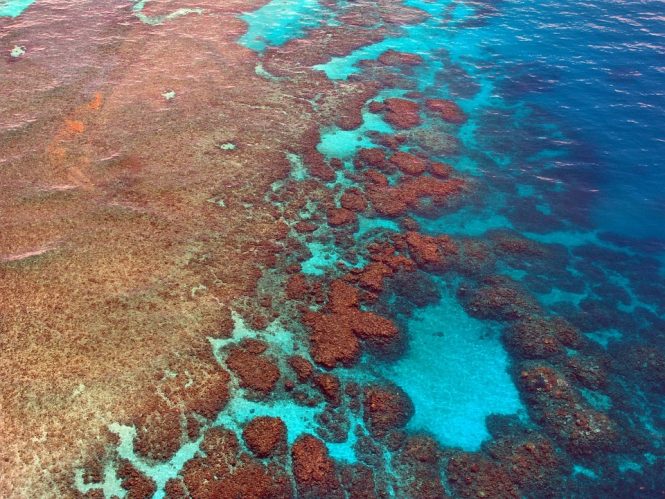
The Great Barrier Reef, located off the coast of Queensland, Australia, is one of the most biologically diverse ecosystems on the planet. As the world’s largest coral reef system, it stretches over 2,300 kilometers and is home to an incredible array of marine life, including more than 1,500 species of fish, 600 types of coral, and many other creatures such as sharks, rays, and turtles. For snorkelers and scuba divers, the Great Barrier Reef offers an unparalleled experience, with crystal-clear waters, vibrant coral, and an incredible array of marine life. In this article, we’ll provide you with a comprehensive guide to snorkeling and diving in the Great Barrier Reef.
When to Go
The best time to visit the Great Barrier Reef depends on your preferences and what you want to see. The reef is accessible year-round, but the conditions and marine life vary throughout the year.
- Summer (December to February): The water temperature is warmest during the summer months, making it ideal for snorkeling and diving. However, this is also the peak tourist season, and the reef can be crowded.
- Autumn (March to May): The water temperature is still warm, and the crowds have dissipated, making it a great time to visit.
- Winter (June to August): The water temperature is cooler, but the visibility is often better, making it a great time for diving.
- Spring (September to November): The water temperature is warming up, and the marine life is abundant, making it a great time for snorkeling and diving.
Choosing a Location
The Great Barrier Reef is a vast ecosystem, and there are many different locations to choose from. Some of the most popular locations for snorkeling and diving include:
- The Outer Reef: Located about 60 kilometers off the coast, the Outer Reef is the most remote and pristine part of the reef system. It’s known for its vibrant coral and incredible marine life.
- The Inner Reef: Located closer to the coast, the Inner Reef is a great option for those who want to experience the reef without traveling too far.
- The Ribbon Reefs: Located in the northern part of the reef system, the Ribbon Reefs are known for their stunning coral formations and abundant marine life.
- The Whitsunday Islands: Located in the southern part of the reef system, the Whitsunday Islands are a great option for those who want to experience the reef and also enjoy the beautiful beaches and islands.
Snorkeling and Diving Operators
There are many snorkeling and diving operators that offer trips to the Great Barrier Reef. When choosing an operator, make sure to consider the following factors:
- Experience and certification: Look for operators that have experienced and certified guides and instructors.
- Safety record: Check the operator’s safety record and make sure they have a good reputation.
- Environmental policies: Choose an operator that has environmentally friendly policies and practices.
- Price and services: Compare prices and services offered by different operators to find the best option for your budget and needs.
Tips and Essentials
Here are some tips and essentials to keep in mind when snorkeling and diving in the Great Barrier Reef:
- Respect the reef: Remember to respect the reef and its inhabitants. Avoid touching or standing on coral, and never feed the fish.
- Bring sunscreen and a hat: The sun can be strong in Australia, so make sure to bring sunscreen and a hat to protect yourself.
- Wear a wetsuit or dive skin: A wetsuit or dive skin can provide protection from the sun and any potential marine stings.
- Bring a water bottle: Stay hydrated by bringing a water bottle with you on your trip.
- Learn about the marine life: Take the time to learn about the different species of marine life you’ll encounter, and how to identify them.
Marine Life
The Great Barrier Reef is home to an incredible array of marine life, including:
- Fish: More than 1,500 species of fish, including parrotfish, butterflyfish, and angelfish.
- Coral: Over 600 types of coral, including brain coral, fan coral, and staghorn coral.
- Turtles: Six species of turtles, including the green turtle and the loggerhead turtle.
- Sharks and rays: Many species of sharks and rays, including the great white shark and the manta ray.
- Dolphins and whales: Occasionally, dolphins and whales can be seen in the waters of the Great Barrier Reef.
Conservation Efforts
The Great Barrier Reef is facing many threats, including climate change, pollution, and overfishing. To protect the reef, many conservation efforts are underway, including:
- Marine protected areas: Many areas of the reef are protected as marine parks, which help to reduce the impact of human activities.
- Reef restoration: Efforts are being made to restore damaged coral and promote the growth of new coral.
- Research and monitoring: Scientists are working to understand the impacts of climate change and other threats on the reef, and to develop strategies for mitigating these impacts.
Conclusion
The Great Barrier Reef is a truly unique and incredible ecosystem, and snorkeling and diving are the best ways to experience it. By choosing a reputable operator, respecting the reef and its inhabitants, and learning about the marine life, you can have a safe and enjoyable experience. Remember to consider the conservation efforts and do your part to protect the reef for future generations. With its vibrant coral, incredible marine life, and stunning landscapes, the Great Barrier Reef is a must-visit destination for any snorkeler or scuba diver.